
Lawn Seeding Maintenance
Precision seeding for a thicker, healthier lawn
Growth takes more than guesswork. It takes precision.
Because your lawn deserves more than patchy results.
— Why not just seed your lawn yourself?
It seems simple enough — spread some seed, wait for rain, watch it grow. But in reality, successful lawn seeding takes a lot more planning than that.
There are a few key factors that make all the difference:
- Proper soil preparation to support growth
- Quality seed suited for local conditions
- Correct seed placement for soil contact
- Aeration to improve germination
Get Your FREE Quote now!
Fill out your information below and our office will contact you shortly!
— COMMON QUESTIONS
Common Questions About Lawn Seeding & Maintenance
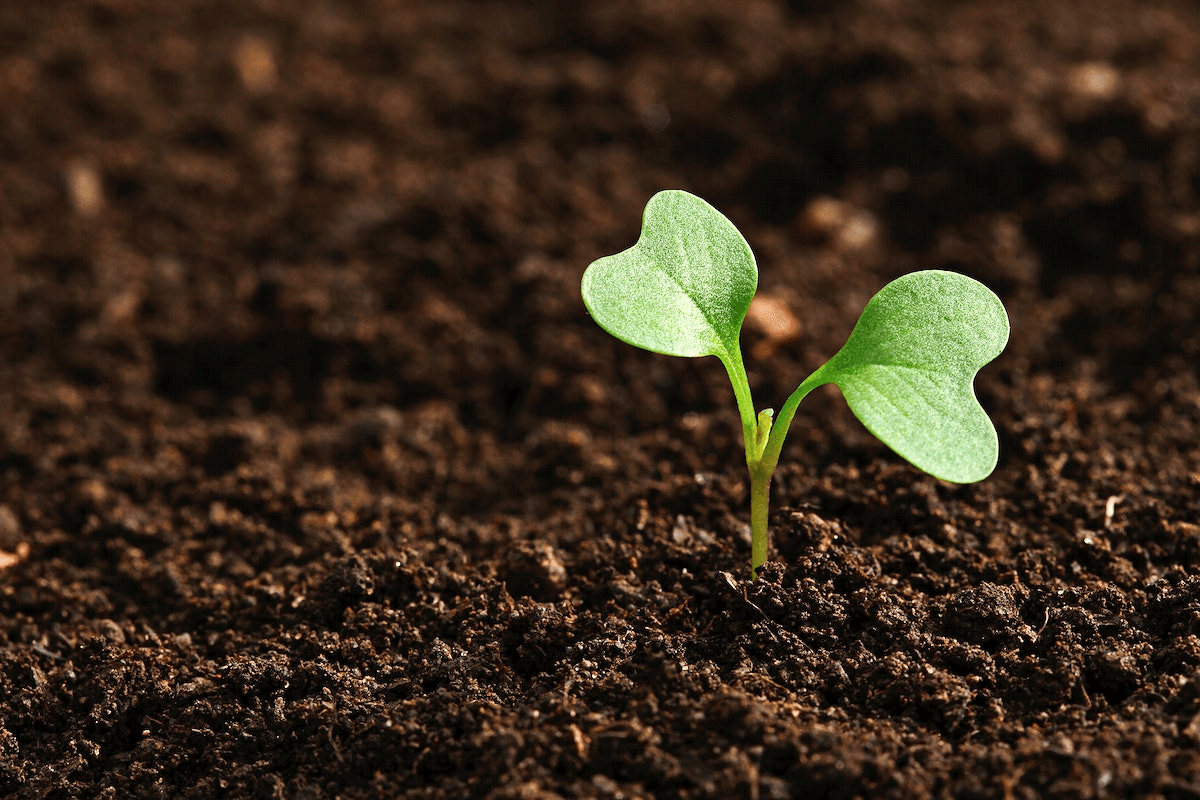
— Growth
Why is overseeding so important for lawn seeding maintenance?
Overseeding introduces new grass seed into an existing lawn to increase density and improve overall appearance. Even well-maintained lawns naturally thin over time due to heat, foot traffic, and seasonal stress — overseeding restores balance by filling in those gaps with fresh growth.
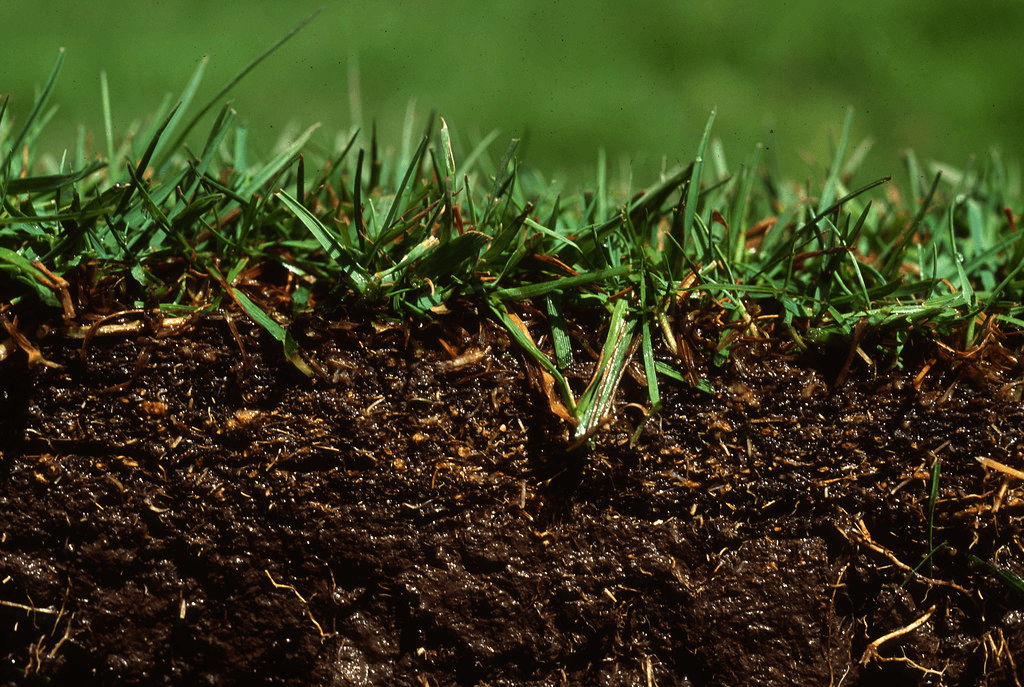
— Comparison
What's the difference between overseeding and full reseeding?
These two are often confused, but they serve different purposes. Overseeding merely adds new grass to an existing lawn, while reseeding totally revitalizes it — used when a lawn is too far gone to simply patch.
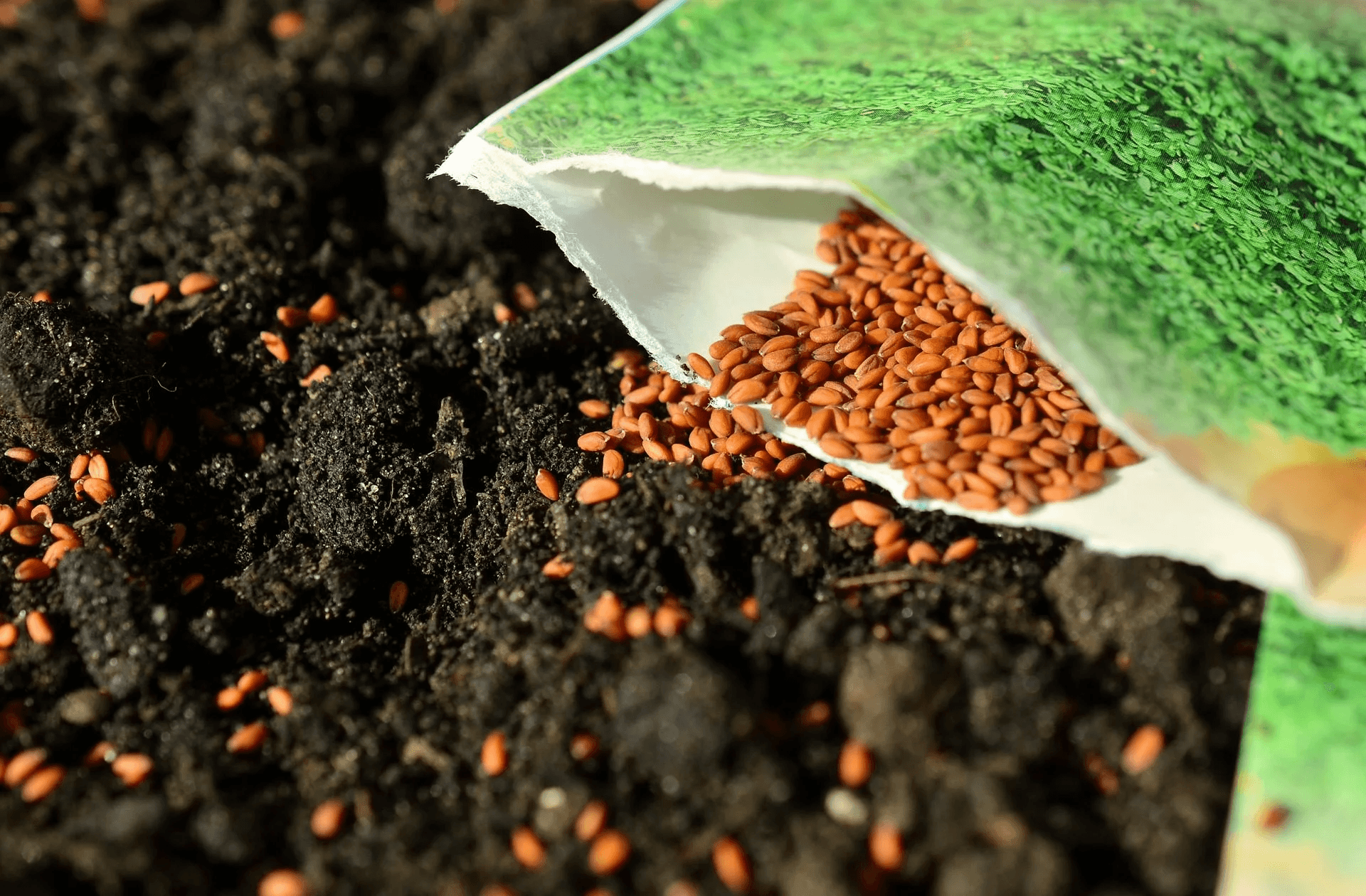
— Repairs
How should thin or bare patches be fixed?
Overseeding is not always necessary. For bare patches, spread out the seedlings, remove any dead grass, soften the soil, and give them plenty of water — often that’s enough to restore coverage.
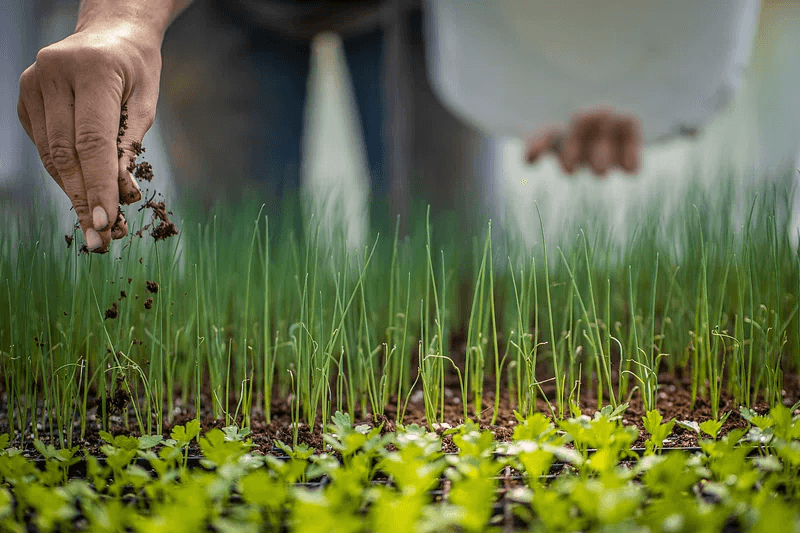
— Storage
How long does grass seed stay viable?
When stored properly in a cool, dry environment, most grass seed remains effective for about two to three years. However, germination rates decrease as seed ages, so fresher seed typically produces stronger results.